
 11
11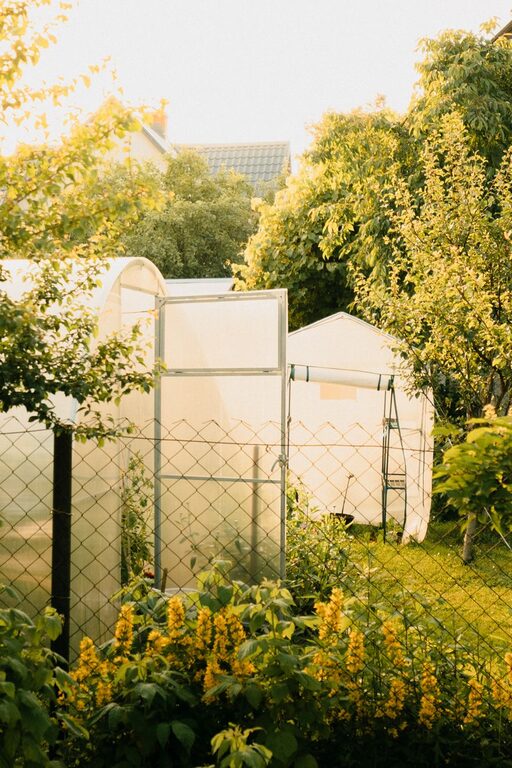
Creating a sustainable home garden is a rewarding way to connect with nature, reduce your environmental footprint, and enjoy fresh, homegrown produce and plants year-round. Sustainability in gardening means focusing on practices that protect natural resources, reduce waste, and promote biodiversity. Whether you have a small balcony or a large backyard, incorporating sustainable methods can help your garden flourish through all seasons.
In this post, we’ll explore key tips to design and maintain a sustainable garden that remains healthy and productive throughout the year.
A sustainable garden thrives when planned with seasonal cycles in mind. Understanding your local climate and growing seasons will help you choose the right plants and gardening methods.
– Choose native and adaptive plants: Native plants are naturally suited to your area’s climate and require less water and care. They also support local wildlife, including beneficial insects and birds.
– Incorporate perennials: Perennials grow back year after year, reducing the need for replanting and minimizing soil disturbance.
– Rotate crops: Crop rotation helps maintain soil health by preventing nutrient depletion and reducing pests and diseases.
– Plant in succession: Stagger planting times to ensure continuous harvests of vegetables or flowers throughout the year.
Avoiding synthetic fertilizers and pesticides supports the health of your garden and the environment.
– Compost kitchen scraps and yard waste: Composting reduces landfill waste and provides nutrient-rich soil for your plants.
– Use natural pest control: Encourage beneficial insects like ladybugs and lacewings. Use barriers or organic sprays if necessary.
– Mulch to conserve moisture: Apply organic mulch, such as straw or shredded leaves, to reduce evaporation, suppress weeds, and improve soil quality.
Water is a precious resource, and conserving it helps sustain your garden and reduce your water bill.
– Collect rainwater: Use barrels to capture rainwater for irrigation.
– Water in the early morning or late evening: This reduces evaporation and ensures water reaches the roots efficiently.
– Use drip irrigation or soaker hoses: These deliver water directly to the plant roots, minimizing waste.
– Choose drought-tolerant plants: In dry seasons or climates, these plants require less watering.
Healthy soil is the foundation of a thriving garden.
– Test your soil: Learn about its pH, nutrient levels, and texture to make informed amendments.
– Add organic matter: Compost, aged manure, and cover crops feed beneficial microbes and improve soil structure.
– Avoid excessive tilling: Over-tilling can damage soil life and cause erosion.
– Practice no-dig gardening: This method preserves soil layers and encourages natural ecosystem balance.
A diverse garden is more resilient to pests and environmental changes.
– Plant a variety of species: Mix flowers, herbs, vegetables, and shrubs to attract different pollinators and wildlife.
– Include flowering plants that bloom in different seasons: This ensures food sources for pollinators year-round.
– Create habitats: Leave patches of natural vegetation, install birdhouses, or build insect hotels.
– Avoid monocultures: Growing only one crop increases vulnerability to diseases.
Sustainability means being prepared for weather variations and seasonal needs.
– Use cold frames or hoop houses: These structures extend the growing season during colder months.
– Plant cover crops in winter: Cover crops protect soil from erosion, add nutrients, and suppress weeds.
– Prune and prepare plants for dormancy: Proper pruning can improve growth and reduce risks of disease.
– Save seeds: Collecting and storing seeds from your plants helps preserve varieties and reduces dependence on commercial seeds.
Mindful garden maintenance reduces waste and promotes sustainability.
– Reuse materials: Repurpose containers, wood scraps, and other materials for garden use.
– Collect and reuse rainwater and greywater: Where allowed, use household water for irrigation.
– Harvest carefully: Pick fruits, vegetables, and flowers at the right time to reduce waste.
– Share surplus produce: Exchange plants, seeds, or harvests with neighbors to foster community and reduce waste.
A sustainable home garden nurtures both the environment and your well-being. By planning thoughtfully, conserving resources, and promoting biodiversity, you can enjoy a garden that stays productive and beautiful throughout the year. Start small, observe your garden’s natural rhythms, and gradually adopt these sustainable practices for lasting success.
Happy gardening!