 11
11 Creating a cozy and functional home workspace is essential for anyone who spends a significant amount of time working from home. Whether you’re a remote employee, freelancer, or managing household tasks, your workspace should help you stay focused, motivated, and comfortable. Here are some practical tips to help you design the perfect balance of comfort and functionality in your home workspace.
Selecting the right spot for your workspace is the first step. Ideally, pick a quiet area that minimizes distractions and allows you to concentrate. If possible, choose a space with natural light, such as near a window, which can uplift your mood and reduce eye strain.
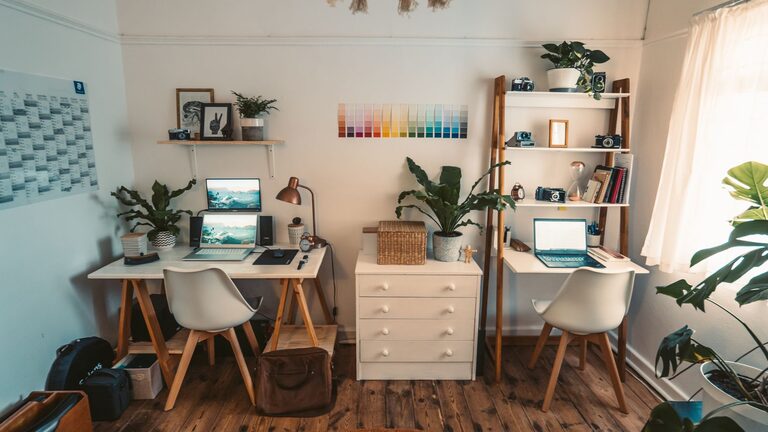
If space is limited, consider multi-purpose areas like a corner of the living room or a section of your bedroom. Use room dividers or shelving units to create separation and help define your workspace.
Comfort is key when spending long hours at a desk. An ergonomic chair with adjustable height and good lumbar support will help prevent back pain and improve posture. Complement this with a desk at the right height—ideally one that allows your elbows to rest at a 90-degree angle when typing.
If sitting for long periods feels uncomfortable, consider a sit-stand desk or a desk converter, which allows you to alternate between sitting and standing throughout the day.
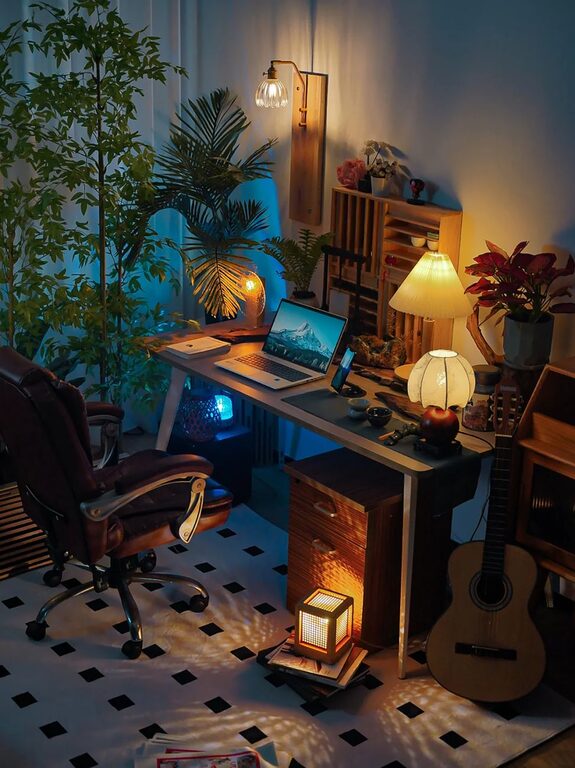
Lighting plays a significant role in keeping your workspace inviting and less tiring. Maximize natural light where possible, but also use a good quality desk lamp with adjustable brightness to reduce eye strain during dimmer hours.
Avoid harsh overhead lighting and position your screen to minimize glare. Soft, warm bulbs can create a cozy atmosphere that helps maintain comfort during late work sessions.
A clutter-free workspace boosts focus and efficiency. Use organizers, trays, and shelves to keep supplies neat and within reach. Declutter your desk regularly by removing items you don’t frequently use.
Cable management solutions like clips or sleeves keep cords from tangling and create a cleaner look. Labeling storage bins or folders can also save time searching for important documents.
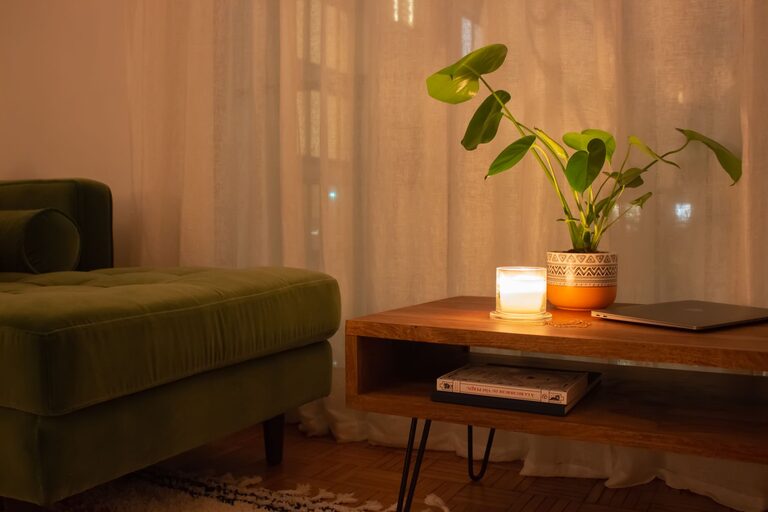
Adding personal touches can make your workspace feel more inviting and inspiring. Consider incorporating elements such as artwork, photos, plants, or decorative items that make you happy.
Plants, in particular, add both color and freshness to a room. They can also improve air quality and create a calming environment, which is helpful when you need to stay focused.
Make sure your technology supports your productivity. A reliable computer or laptop, a fast internet connection, and quality accessories like a keyboard, mouse, and headphones can enhance your workflow.
Consider investing in a second monitor if your work involves multitasking or graphic design. Also, use noise-canceling headphones if you’re in a noisy environment.
To minimize distractions, especially in busy households, consider soundproofing options like thick curtains or acoustic panels. White noise machines or gentle background music can also help improve concentration.
If privacy is important, use room dividers or screens to create separation from shared living spaces. Setting ground rules with family or roommates about your work schedule can also help minimize interruptions.
Your workspace should support your daily routine. Designate clear work hours and take regular breaks to avoid burnout. Use timers or apps to remind yourself to stand up, stretch, and rest your eyes.
Communicating your availability to household members and setting boundaries ensures your workspace remains a place for focused work rather than casual relaxation.
Efficient storage is essential to keep your workspace both functional and tidy. Use filing cabinets, floating shelves, or under-desk drawers to store paperwork, office supplies, and equipment.
Consider vertical storage options to save floor space, especially if your workspace is small. Keeping your desk clear will help you maintain focus and improve productivity.
A clean and tidy workspace is inviting and reduces stress. Schedule regular cleaning sessions to dust, wipe surfaces, and vacuum or sweep the floor. Avoid eating at your desk to keep crumbs and spills at bay.
A pleasant-smelling workspace can also enhance comfort. Use essential oil diffusers or scented candles if allowed in your workspace.
—
By intentionally designing your home workspace to be both cozy and functional, you’ll create an environment that supports productivity while promoting well-being. With the right location, ergonomic furnishings, lighting, organization, and personal touches, your workspace can become a place you enjoy spending time every day. Remember, small changes can make a big difference in how you work and feel.