 11
11
Creating a cozy and inviting home environment is something many of us strive for. A space that welcomes you at the end of a long day and provides comfort for friends and family can truly enhance your quality of life. Fortunately, you don’t need a professional designer or a big budget to achieve a warm and pleasant atmosphere. With some thoughtful choices and a little effort, your home can become a haven of comfort and style.
Before diving into specific tips, it’s helpful to understand what “cozy” really means. Cozy often implies warmth, comfort, and a sense of personal touch that makes a space feel lived-in and loved. It’s not about clutter or over-decorating; instead, it’s about simplicity, softness, and inviting elements that appeal to your senses.
With that in mind, here are several practical tips to help you create a cozy and inviting home environment.
Lighting sets the mood in any room. Bright, harsh lights can make a space feel clinical rather than comfortable.
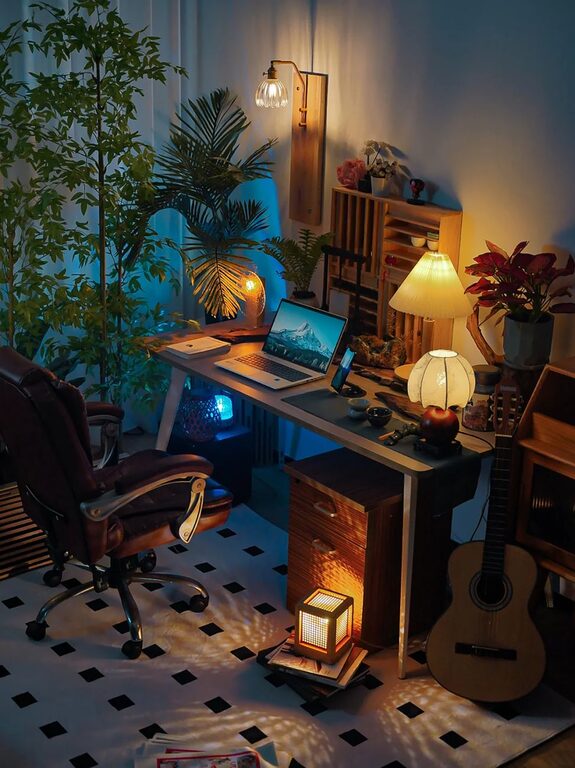
– Use Lamps and Dimmer Switches: Instead of relying solely on overhead lighting, use table or floor lamps that give off a softer glow. Installing dimmer switches lets you adjust brightness to suit the time of day or occasion.
– Choose Warm Light Bulbs: Opt for bulbs with a warm color temperature (around 2700K) which mimic the natural warmth of sunlight.
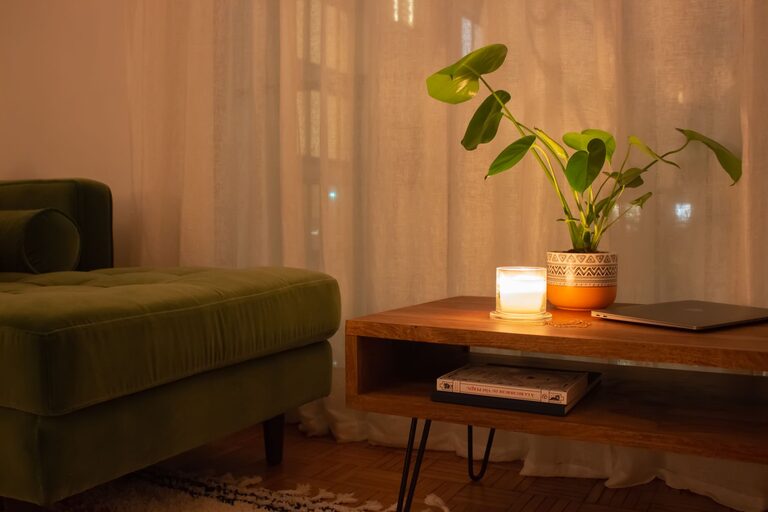
– Add Candles: Candles bring flickering warmth and pleasant scents, ideal for relaxing evenings or creating ambiance during gatherings.
Textiles are key players in creating comfort. The right fabrics can make a space feel inviting and pleasing to the touch.
– Throw Blankets and Pillows: Layer your sofa or armchairs with cozy blankets and a variety of pillows in different sizes and textures.
– Area Rugs: Rugs not only add visual warmth but also soften hard floors, making rooms feel more welcoming.
– Curtains and Window Treatments: Choose curtains in soft fabrics to frame windows and help regulate light and temperature while adding texture.
Your home should reflect who you are. Adding personal touches makes a space feel genuine and meaningful.
– Display Photos and Artwork: Show photos of loved ones or travel memories, and hang artwork that inspires or comforts you.
– Incorporate Natural Elements: Plants, flowers, and natural materials like wood or stone add life and energy to a room.
– Curate Collections and Books: Displaying books, souvenirs, or collections invites curiosity and conversation, making your home feel lived-in and loved.
Comfort doesn’t mean sacrificing style or function. Thoughtfully selecting furniture can boost both.
– Invest in a Quality Sofa or Chair: The right seating makes a huge difference. Look for pieces with supportive cushions and durable fabrics.
– Arrange for Conversation: Position furniture to encourage interaction—think chairs facing each other or a coffee table that’s easy to reach.
– Use Multi-Functional Pieces: Storage ottomans, nesting tables, and convertible furniture can maximize space and usability without overcrowding.
Having distinct areas in your home can enhance its usability and comfort.
– Relaxation Zones: Dedicate corners or rooms for reading, meditation, or watching TV.
– Dining Areas: Keep your dining space inviting with comfortable seating and attractive table settings.
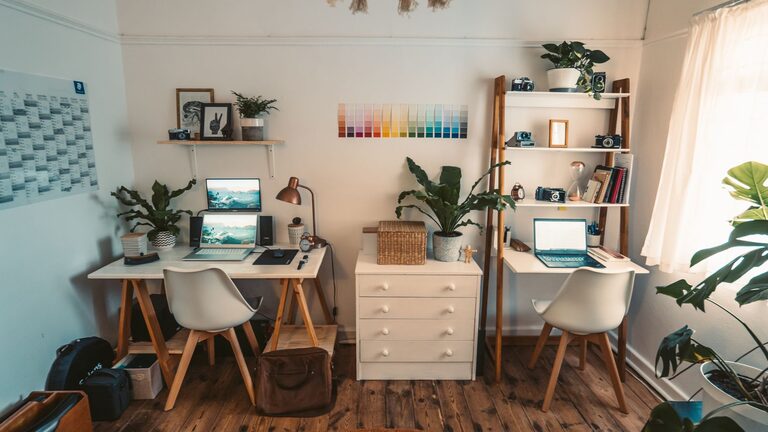
– Workspaces: Even in a cozy home, it’s nice to have a clutter-free spot to work or study with good lighting and organization.
Our senses beyond sight are powerful influences on comfort.
– Use Essential Oils or Diffusers: Lavender, vanilla, or citrus scents can create calming or uplifting atmospheres.
– Soft Background Music: Gentle instrumental playlists or nature sounds can add to the ambiance without distracting.
– Reduce Noise: Use rugs, curtains, and cushions to absorb sound and consider sealing gaps on doors or windows for quieter rooms.
A tidy space helps reduce stress and supports relaxation.
– Declutter Regularly: Remove items you don’t use or need to keep surfaces open and fresh.
– Use Storage Solutions: Baskets, shelves, and organizers keep things out of sight but easily accessible.
– Maintain Cleanliness: Regular cleaning and airing out rooms prevents stuffiness and keeps your home feeling fresh.
Natural elements have a strong impact on wellbeing.
– Maximize Daylight: Keep windows clear and use light curtains to let in sunshine.
– Open Windows Regularly: Fresh air keeps your home feeling vibrant and healthy.
– Add Plants: Beyond visual appeal, plants improve air quality and bring a natural rhythm to your space.
Creating a cozy and inviting home environment is all about balancing comfort, warmth, and personal expression. By paying attention to lighting, textiles, furniture, and sensory details like scent and sound, you can transform any space into a welcoming retreat. Remember, the best cozy spaces feel effortless because they are tailored to your lifestyle and tastes.
Start small and enjoy the process—your home will thank you!